
Hand Sanders: Which One Actually Belongs in Your Shop?
Hand sanders have gotten complicated with all the marketing hype and model numbers flying around. As someone who has worn out more sanding pads than I can count over fifteen years of furniture building and refinishing, I learned everything there is to know about picking the right sander. Today, I will share it all with you.
Here’s the thing — sanding is the part of woodworking nobody loves but everybody needs. The right sander turns an hour of misery into fifteen minutes of easy work. The wrong one? You’ll be fighting it the whole time and still end up with a mediocre finish. I’ve owned just about every type out there, and I have strong opinions.
The Different Types (and When I Reach for Each One)
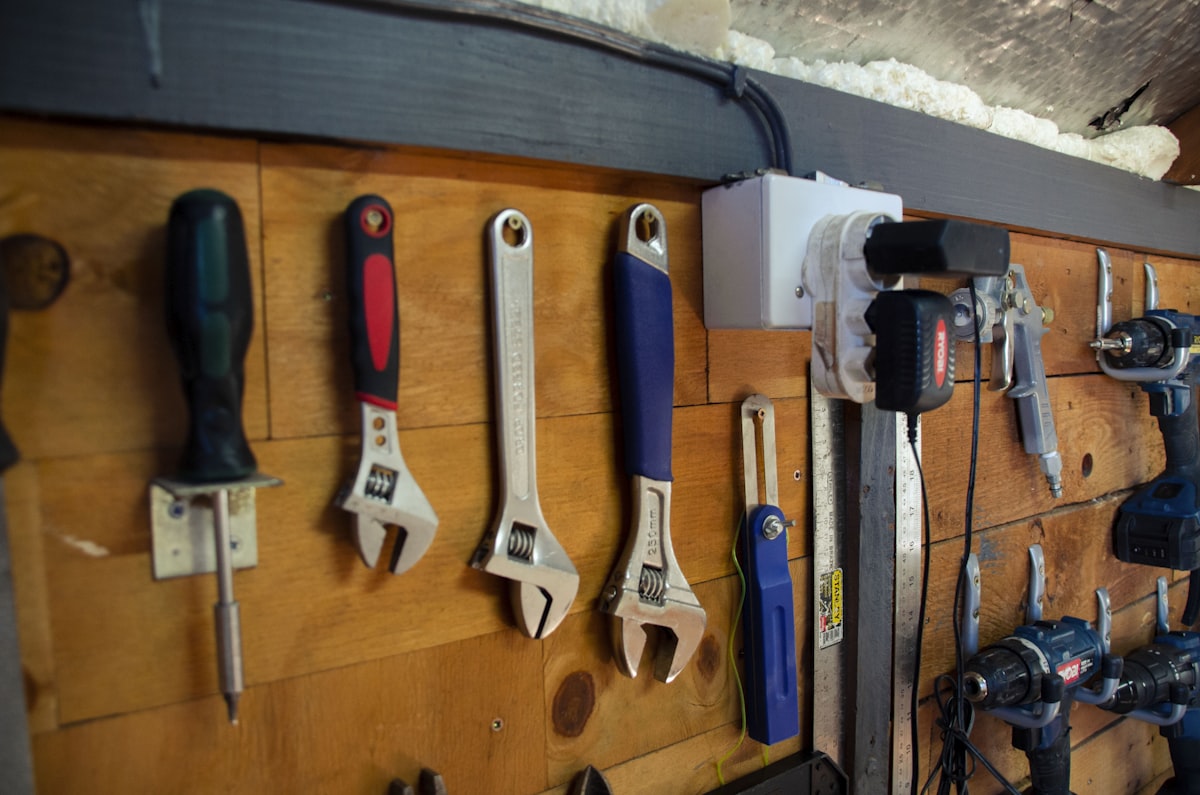
Not all sanders do the same job. That sounds obvious, but I see people trying to do finish work with a belt sander all the time. Here’s the breakdown:
- Belt Sanders: The muscle car of sanders. These rip material off fast. I grab mine when I’m flattening a glue-up or leveling a rough tabletop. They’re aggressive though — get distracted for two seconds and you’ve got a divot.
- Orbital Sanders: Circular motion, relatively gentle. Good for general sanding on flat surfaces. I used one of these for years before upgrading. They get the job done, but they can leave swirl marks if you’re not careful.
- Random Orbital Sanders: This is what most woodworkers should own first. The random pattern means virtually no swirl marks. Versatile enough for rough sanding and fine finishing. Mine gets used on almost every project.
- Detail Sanders: That little triangular-shaped sander. Worth its weight in gold for getting into corners, tight spaces on furniture, or sanding between spindles. I didn’t think I needed one until I tried one. Now I can’t imagine working without it.
- Sanding Blocks: Just sandpaper on a block. Old school. But sometimes nothing beats the control of hand sanding, especially on final finish work or touching up after stain. Keep a few grits handy in the shop.
What to Look For When You’re Shopping
Probably should have led with this section, honestly. Before you get dazzled by brand names, focus on these features:
- Power: More amps means faster material removal. For hardwoods like maple or oak, you want something with some grunt. For pine and softwoods, even a basic model works.
- Variable Speed: This is huge. I won’t buy a sander without it. High speed for rough work, dial it back for finishing. One sander, multiple jobs. My Makita has six speed settings and I use every single one.
- Ergonomics: You’re going to hold this thing for a long time. A heavy, awkward sander will tire your hand out fast. Look for a rubberized grip and a balanced design. I’ve returned sanders that felt great in the store but killed my wrist after twenty minutes of actual use.
- Dust Collection: Don’t sleep on this. Good dust collection keeps your surface visible, keeps your lungs happy, and cuts cleanup time. A vacuum port that connects to your shop vac is way better than those little dust bags, but even the bag is better than nothing.
- Controls: Speed dial and power switch should be easy to reach without changing your grip. Seems minor until you’re sanding for an hour straight.
My Favorite Sanders (That I’ve Actually Used)
I’m not going to recommend something I haven’t put hours on. These are sanders I own or have borrowed extensively from shop buddies.
Makita BO5041K 5-Inch Random Orbit Sander
This is my daily driver. The motor has real power behind it, and the variable speed dial lets me go from aggressive stock removal to gentle finish sanding. Comfortable to hold for hours. The dust collection actually works — I hook it up to my shop vac and the workbench stays pretty clean. If I could only own one sander, this would be it.
DEWALT DWE6423K Variable Speed Random Orbit Sander
A buddy of mine swears by this one, and after borrowing it for a cabinet project, I get why. The counterweight system really does reduce vibration — my hand felt noticeably less fatigued after a full day of sanding. Solid dust collection too. It’s built like a tank, which matters when you’re using it every week.
Bosch ROS20VSC Palm Sander
That’s what makes the Bosch endearing to us woodworkers — it finds this sweet spot between power and finesse. The pad dampening system is real, not just marketing. I’ve used it on soft pine without blowing through the surface, which is harder than it sounds with a random orbital. The micro-filter dust canister catches seriously fine particles. Great for indoor work.
BLACK+DECKER BDERO100 Random Orbit Sander
If you’re just getting into woodworking and don’t want to drop a hundred bucks on a sander, this is your move. Lightweight, easy to handle, and it actually sands well for the price. I bought one as a backup and ended up lending it to my neighbor who’s been using it for two years straight. Not bad for a budget tool. Dust collection is decent for what it is.
Festool 574993 Random Orbital Sander ETS 125 REQ-Plus
The Rolls Royce. Is it worth the price? If you sand professionally, yes. The dust extraction is in another league — seriously, almost nothing escapes. The finish quality is remarkable. Smooth, zero swirl marks, and it feels like it could last forever. For hobbyists, it’s probably overkill. But man, using one is a treat.
Matching Sander to Task
This is where experience comes in. Here’s my general rule of thumb:
- Belt Sanders: Rough stock removal. Flattening. Stripping old finishes off big surfaces like tabletops and doors. Keep it moving or you’ll sand a valley into your piece.
- Orbital Sanders: Mid-stage sanding on flat work. Shelves, tabletops, wall prep. Decent for getting things smooth before the final pass.
- Random Orbital Sanders: The all-rounder. I use mine for probably 80% of my sanding. Works from 80 grit all the way up to 320. The random pattern forgives minor technique mistakes.
- Detail Sanders: Corners, edges, carvings, tight spots on furniture. Anywhere a round pad can’t reach. Also great for sanding between coats of finish in detailed areas.
- Sanding Blocks: Final touch-ups. Knocking down raised grain between finish coats. Any time you need surgical precision and total control.
Keeping Your Sander Running Right
A sander is a pretty simple tool, but neglect it and you’ll notice. Here’s what I do:
- Clean it after every use. Blow out the dust ports with compressed air. Empty the dust bag or canister. Dust buildup kills performance and can overheat the motor.
- Check the cord. I’ve seen frayed cords on shop tools more times than I’d like to admit. A quick visual check takes five seconds and could prevent a real bad day.
- Replace pads when they’re worn. A bald or torn sanding pad won’t hold paper properly. Replacement pads are cheap. Don’t fight with worn-out equipment.
- Lubricate if needed. Some models have bearings that benefit from occasional oiling. Check your manual. Most modern sanders are sealed, but older ones might need attention.
- Store it dry. Don’t leave sanders sitting in sawdust or damp areas. A shelf or drawer in the shop is all you need. Rust and moisture are the enemies.
Recommended Woodworking Tools
HURRICANE 4-Piece Wood Chisel Set – $13.99
CR-V steel beveled edge blades for precision carving.
GREBSTK 4-Piece Wood Chisel Set – $13.98
Sharp bevel edge bench chisels for woodworking.
As an Amazon Associate, we earn from qualifying purchases.


Stay in the loop
Get the latest wildlife research and conservation news delivered to your inbox.