
The Center for Furniture Craftsmanship in Maine has gotten recognized as one of the most serious woodworking education institutions in North America — the kind of place that produces woodworkers who go on to build at a professional level, not just hobbyists who take a weekend class. As someone who has followed the institution and understands what separates serious woodworking education from the alternatives, I know what the Center actually offers and who it’s right for. Today, I will share it all with you.
But what is the Center for Furniture Craftsmanship? In essence, it’s a non-profit woodworking school in Rockport, Maine, founded in 1993 by Peter Korn, offering everything from week-long workshops to a nine-month comprehensive program that functions as a genuine professional-level immersion in furniture design and making. But it’s much more than a school — it’s a community of makers with a consistent pedagogical philosophy: that furniture making is both a technical discipline and an artistic practice, and that mastery requires serious engagement with both.
The Nine-Month Comprehensive Program
The flagship offering is the Nine-Month Comprehensive — an intensive program that starts in September and runs through May, covering the full range of furniture design and making from initial concept through completed piece. This isn’t a “learn a few joints and make a box” program. By the end, students have designed and built multiple pieces of furniture, developed a working understanding of design principles, and built the technical foundation for professional-level work.
The curriculum includes hand tool technique (plane use, chisel work, hand sawing), power tool competence (table saw, router, jointer and planer), joinery design and execution, wood selection and understanding, surface preparation and finishing, and the design process — from sketching through three-dimensional mockup to final construction. Instructors are working furniture makers, not retired craftspeople — they bring current professional practice into the teaching.
Graduates of the program have gone on to establish studios, enter design-build practice, pursue additional education at craft schools internationally, and in some cases found woodworking-adjacent businesses. The network effect — connections to other serious makers and to the school’s instructors and alumni base — is a real benefit that extends beyond the technical education.
Short Courses and Workshops
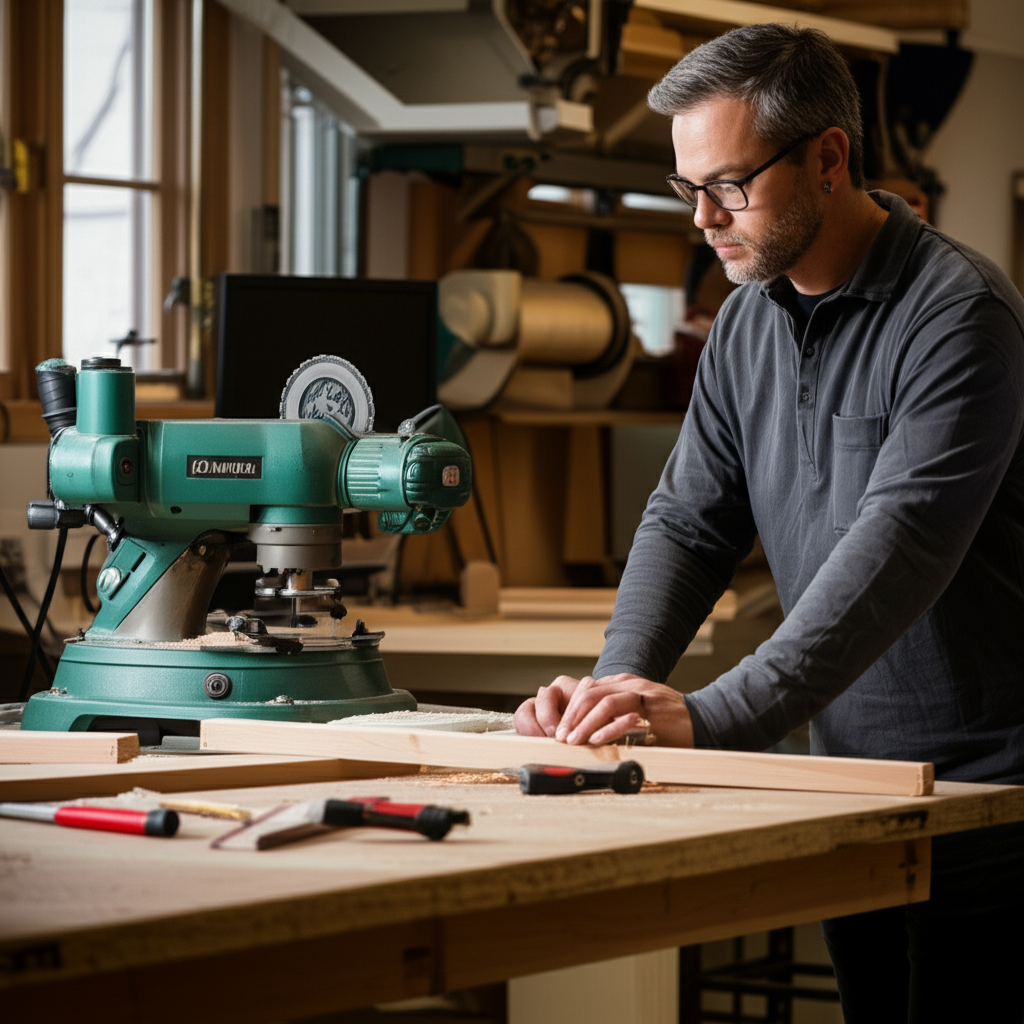
For woodworkers who can’t commit nine months, the Center offers week-long and weekend workshops throughout the year. These range from beginner-level introductions to hand tool woodworking to advanced technique workshops on specific skills — hand-cut dovetails, steam bending, Windsor chair making, marquetry and inlay.
The week-long format is intensive enough to actually develop skill rather than just introduce concepts. Five full days in a well-equipped shop with an expert instructor working at a reasonable student-to-instructor ratio produces real progress. Many woodworkers who attend report week-long workshops as genuinely transformative for specific techniques — particularly hand tool skills that are hard to develop through video tutorials and self-directed practice.
The visiting artist program brings notable furniture makers to the Center for demonstrations and talks — a separate resource for woodworkers who want exposure to diverse professional practice without enrolling in a longer program.
The Facilities
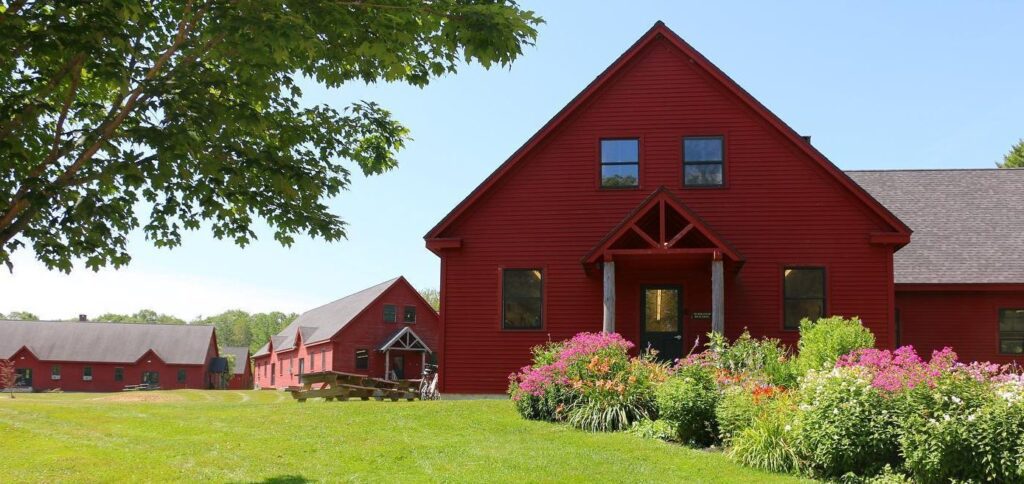
The Center’s campus in Rockport includes multiple dedicated workshop buildings with appropriate machine tools — jointers, planers, table saws, band saws, drill presses — alongside hand tool work areas. The tool inventory is maintained at professional level; students aren’t working around broken or poorly maintained equipment. The library of woodworking references is also a genuine resource — a curated collection of technical books, design references, and historical material that supports the design component of the curriculum.
The Maine location — deciduous forest, Atlantic coast, off the tourist-intensive coastal highway — is genuinely conducive to focused work. This isn’t incidental. A woodworking school located in a distraction-heavy urban environment produces different student engagement than one where the surrounding environment reinforces focus and craft.
Who the Center Is Right For
The Nine-Month Comprehensive is right for people who are serious about furniture making as a professional direction or as a primary life pursuit — not for someone who wants to improve their hobby skills incrementally. The commitment in time and cost (tuition plus nine months of living in Maine) is substantial, and the program is calibrated for that level of seriousness.
Short courses are right for any woodworker who wants structured instruction on a specific technique from a qualified teacher, and who can benefit from a week of immersive practice rather than scattered self-directed learning. If you’ve been trying to develop a skill from videos and books for months without making real progress, a week at a school like the Center is often more effective than another year of self-teaching.
Scholarships and financial aid are available — the Center’s non-profit structure supports access beyond the full-tuition student pool. The application process is straightforward, and the Center actively seeks to support students who would otherwise be unable to attend.



Stay in the loop
Get the latest wildlife research and conservation news delivered to your inbox.