The Best Tool Brands — What I Actually Reach For (And Why)
Tool brands have gotten confusing with all the marketing noise flying around. As someone who’s burned through cheap tools and invested in quality ones over the years, I learned everything there is to know about which brands actually deliver. Today, I will share it all with you — from the workshop staples to the specialty picks.
DeWalt: The Yellow-and-Black Workhorse

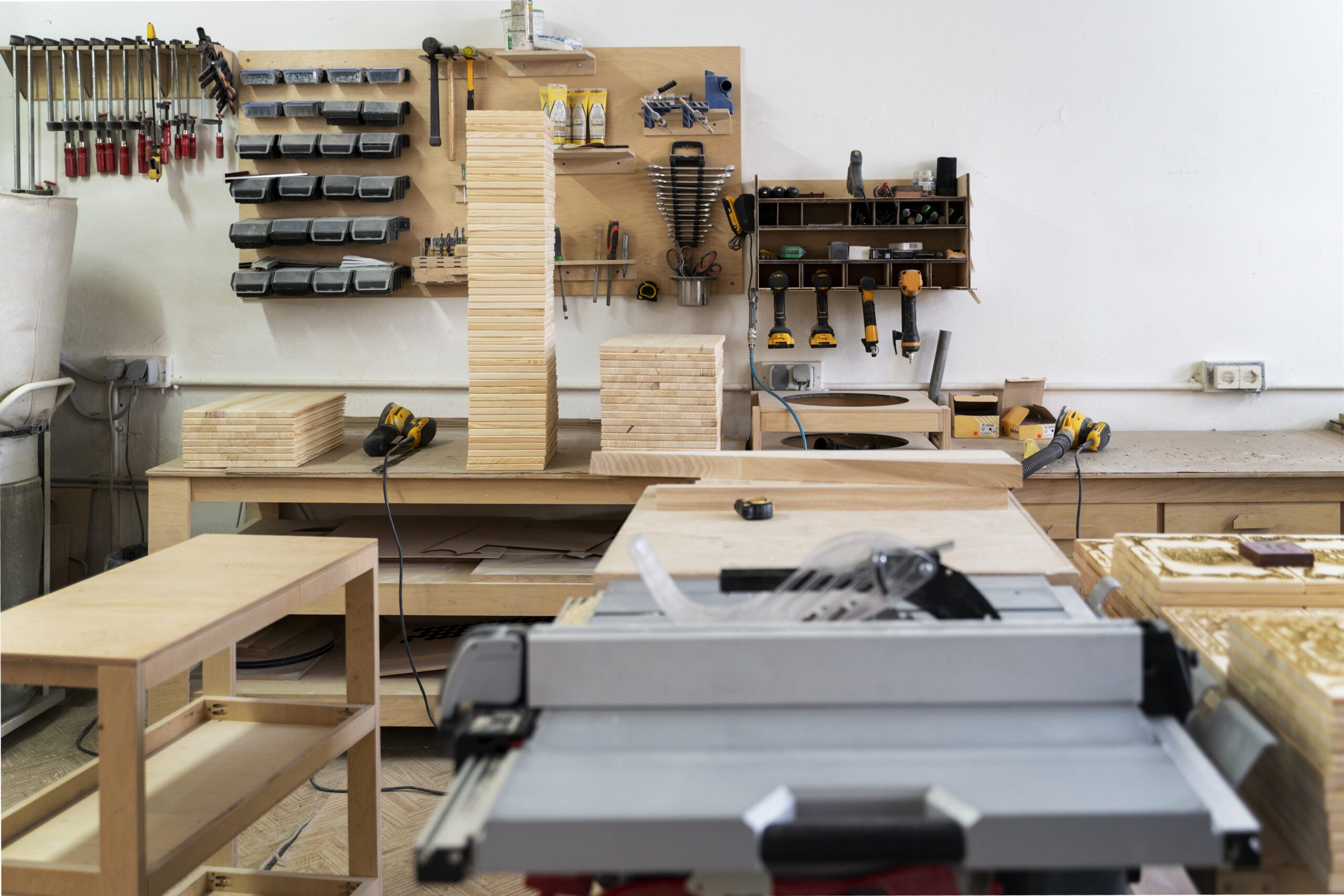
DeWalt’s been around since 1924, and there’s a reason you see their yellow tools on every job site in America. They build stuff that lasts. I’ve got a DeWalt drill that’s been through more abuse than I’d care to admit, and it keeps going. Their power drills, saws, and specialty tools are solid across the board. The brushless motors in their newer lineup are a nice touch — they run cooler, last longer, and squeeze more runtime out of each battery charge. If you’re doing construction or serious woodworking, DeWalt is a safe bet that won’t let you down.
Makita: The Innovation Leaders
Makita’s been at it since 1915, which makes them one of the oldest power tool companies on the planet. What sets them apart is how much they invest in making tools better, not just different. Their cordless platform is genuinely impressive — battery life and charging speed are best-in-class. Every time I pick up a Makita tool, the balance and ergonomics feel like someone actually thought about what it’s like to use the thing for eight hours straight. If you want cutting-edge features without sacrificing reliability, Makita’s where I’d look first.
Bosch: German Engineering Done Right
Probably should have led with this section, honestly, because Bosch is the brand I recommend most often to people who want one tool that does everything well. Over a century of experience shows in their build quality. Their blue professional line is a cut above, with smart features like tool interfaces that connect to your phone for diagnostics and settings. But here’s what really sells me: the ergonomics. Bosch tools feel comfortable during long sessions, and that matters more than specs when you’re ten hours into a project.
Milwaukee: Built for the Trades
If you talk to plumbers, electricians, and HVAC techs, Milwaukee comes up constantly. Founded in 1924, they’ve built their reputation on tools that survive real-world trade conditions. Their M18 and M12 battery platforms are everywhere, and for good reason — the power and battery life are excellent. Milwaukee tools feel overbuilt in the best possible way. They’re not delicate. They don’t complain. You drop one, pick it up, and keep working. That’s what makes Milwaukee endearing to tradespeople — the tools match the attitude.
Hilti: When Precision Is Everything
Hilti is the brand you see on commercial construction sites, especially where concrete and masonry work is happening. They’re based in Liechtenstein (of all places) and they make seriously specialized equipment. Dust control systems, active torque control, and engineering that’s built for demanding environments — Hilti doesn’t mess around. These aren’t impulse-buy tools. They’re investments for professionals who need exact specifications met every time. If concrete is your world, Hilti is worth every penny.
Stanley Black & Decker: The Legacy Brand
Stanley’s been around since 1843. Let that sink in. They’ve been making tools since before the Civil War. That kind of history means something — they’ve had time to figure out what works. Their hand tools are legendary (try finding a shop without a Stanley tape measure), and their power tool lineup covers just about everything at price points that won’t make you wince. They’re not the flashiest brand, but for everyday reliability at a fair price, Stanley’s hard to argue with.
Craftsman: Your Dad’s Favorite (And Maybe Yours Too)
Craftsman has been a household name since 1927, and there’s a good chance you grew up with a red Craftsman toolbox in the garage. They hit a sweet spot of durability and affordability that keeps people coming back.
- Warranty: Craftsman is one of the few brands still offering lifetime warranties on many of their products. That alone says something about their confidence.
- Availability: Sold in many major retail chains, making them easily accessible. Need a replacement wrench at 9 PM? You can probably find one.
- Variety: Covers a wide range of tools, providing options for various needs — from socket sets to lawn mowers.
Snap-on: The Automotive Gold Standard
Walk into any serious auto shop and you’ll spot those red Snap-on tool chests. Since 1920, Snap-on has been the go-to for automotive technicians who need precision they can count on. Their hand tools are engineered for tight spaces and exact tolerances, and the ratchets and sockets are among the smoothest you’ll ever use. Yes, they’re expensive. Automotive techs justify it because these tools earn their living — when a single tool failure can cost you hours of labor, you buy the best and don’t look back.
Ridgid: The Plumber’s Best Friend
Ridgid knows plumbing and pipework like nobody else. Their pipe wrenches, cutters, and pressing tools are standard issue in the trade. These are tools built for heavy, repetitive use in conditions that destroy lesser equipment. If you’ve ever watched a plumber casually wrench on a corroded fitting, chances are they were holding a Ridgid wrench. It’s a purpose-built brand that dominates its niche.
Festool: The Woodworker’s Dream
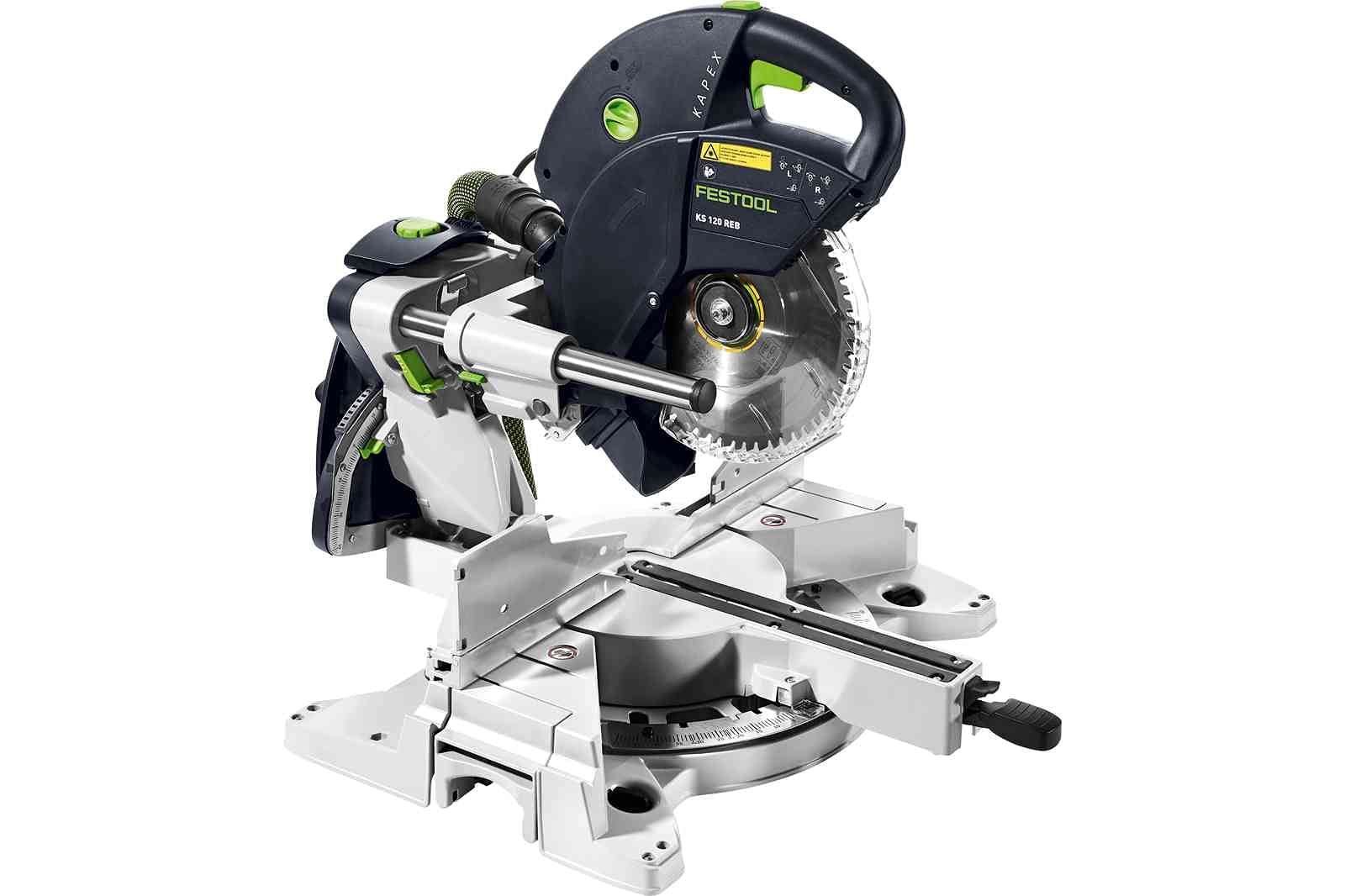
This is where I get a little emotional. Festool, out of Germany, makes some of the finest woodworking tools available. Their track saws are legendary — the cuts are so clean you’d swear they were jointed. Sanders, routers, dust extraction systems — everything they make is designed around precision and integrated workflow. The prices are steep, no question. But if woodworking is your craft and you want the absolute best, Festool delivers in a way that’s hard to describe until you’ve used one.
Klein Tools: Electricians Swear By Them
Klein has been making tools for electricians since 1857. That’s 168 years of figuring out what wire strippers, pliers, and multimeters need to be. Their tools are built to survive the daily demands of electrical work — voltage testing, wire pulling, conduit bending, all of it. Electricians don’t mess around with their tools because their safety depends on them, and the fact that Klein dominates that market tells you everything you need to know about the quality.
So Which Brand Wins?
Honestly? None of them “wins” across the board. Each brand has carved out a specialty, and the smart move is matching the brand to what you actually do. Building furniture? Look at Festool and DeWalt. Wiring a house? Klein and Milwaukee. Working on cars? Snap-on if you can swing the cost. The best tool brand is the one that fits your work, your hands, and your budget. Buy quality where it counts, and your tools will outlast your projects.
Recommended Woodworking Tools
HURRICANE 4-Piece Wood Chisel Set – $13.99
CR-V steel beveled edge blades for precision carving.
GREBSTK 4-Piece Wood Chisel Set – $13.98
Sharp bevel edge bench chisels for woodworking.
As an Amazon Associate, we earn from qualifying purchases.



Stay in the loop
Get the latest wildlife research and conservation news delivered to your inbox.