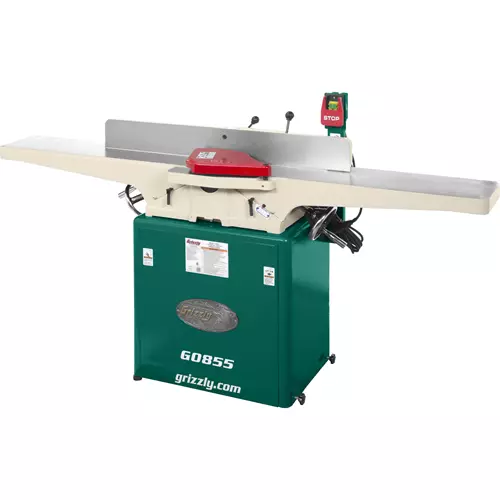
Best Band Saw for Woodworking
Best Band Saw for Woodworking
When it comes to selecting the best band saw for your woodworking needs, several factors come into play. The band saw is a versatile tool essential for precise cuts, curved shapes, and detailed designs. Here’s a detailed look at what makes certain band saws stand out from the rest.
Key Features to Consider

There are a few critical features you’ll need to evaluate when choosing a band saw:
- Blade Size and Type
- Motor Power
- Cutting Capacity
- Frame Construction
- Add-ons and Accessories
Blade Size and Type
Blades come in various sizes and tooth configurations. The standard blade widths for woodworking range from 1/8 inch to 1 inch. Thinner blades are useful for cutting intricate curves, while wider blades are better for straight cuts.
You should also consider the blade’s TPI (teeth per inch). A higher TPI gives a smoother cut but reduces cutting speed. Different materials require different blades. Carbon steel blades are great for wood, while bi-metal blades handle both wood and metal.
Motor Power
The motor’s power, measured in horsepower (HP), dictates how well the band saw can cut through various materials. A band saw with at least 1 HP is suitable for heavy-duty woodworking projects. Smaller saws might have motors as low as 0.5 HP, which are adequate for light-duty work.
A powerful motor ensures smooth cuts even in hardwoods. It also prolongs the blade’s lifespan by reducing strain during cutting.
Cutting Capacity
Cutting capacity refers to the maximum dimensions the band saw can handle. This includes throat capacity (distance from the blade to the frame) and cutting height (height of the material it can cut through). A larger throat capacity allows for more extensive workpieces.
For general woodworking, throat capacities of 12-14 inches and a cutting height of 6-12 inches are commonly sufficient. Professional band saws often offer larger capacities, suitable for larger projects like resawing.
Frame Construction
Frames can be either cast iron or steel. Cast iron provides better vibration damping, resulting in more accurate cuts. Steel frames are lighter and less prone to cracking but may vibrate more.
Good frame construction improves the band saw’s durability and helps maintain alignment over time.
Add-ons and Accessories
Accessories enhance the functionality of a band saw. Common add-ons include fence systems, miter gauges, and rip fences. These improve the accuracy and versatility of the saw for various cutting tasks.
Dust collection ports are also vital, as they keep the workspace clean and reduce health hazards associated with wood dust.
Best Band Saws on the Market
Based on these critical features, below are some of the best band saws available:
JET JWBS-14DXPRO 14-Inch Deluxe Pro Band Saw
The JET JWBS-14DXPRO is a top contender in the 14-inch class. It features a powerful 1.25 HP motor and a cast iron frame. Throat capacity is 13.5 inches, and it can cut up to 12 inches high. These specifications make it ideal for both standard and large woodworking projects.
Its blade tracking window and dual-layer table add to its operational ease. The saw comes with a built-in retractable blade guard capable of handling a variety of blade widths. This model is a solid choice for serious woodworkers looking for reliability and performance.
WEN 3962 Two-Speed Band Saw
The WEN 3962 combines affordability with solid performance. It features a 3.5-amp motor and a 9-3/4 inch throat capacity. It has a two-speed operation mechanism, allowing 1520 FPM (feet per minute) and 2620 FPM. The saw can handle materials up to 6 inches in height.
This band saw offers a spacious work table and includes a fence and miter gauge. The addition of a 3-in-1 dust collection port makes workspace maintenance easier. It serves well for hobbyist woodworkers or those on a budget.
Rikon 10-326 Deluxe Band Saw
The Rikon 10-326 is a feature-rich, high-end band saw. It comes with a 1.75 HP motor, offering the power needed for challenging tasks. With a throat capacity of 13.5 inches and a cutting height of 13 inches, it’s great for professional work.
It has a dual-voltage motor, allowing operation at 115V or 230V. Quick-adjust blade guides and a tool-less blade tension system make it user-friendly. The saw also includes a large work table, rip fence, and miter gauge. These features make it ideal for detail-oriented professionals.
Grizzly G0555LX 14-Inch Band Saw
The Grizzly G0555LX combines premium features with robust construction. Its 1 HP motor efficiently handles a variety of cutting tasks. The throat capacity is 13.5 inches, with a maximum cutting height of 6 inches.
This band saw features a precision-ground cast iron table and computer-balanced cast iron wheels. The model includes a deluxe extruded aluminum fence and miter gauge. These contribute to its accuracy and ease of use.
Laguna Tools MBAND1412-175 14 x 12 Bandsaw
Laguna Tools MBAND1412-175 is another excellent choice for woodworking. It offers a 1.75 HP motor and a 14-inch throat capacity. The cutting height is 12 inches, accommodating a wide range of projects.
The saw features a pyramid spine for enhanced stability and minimal vibration. The micro-polished, oversized table provides ample workspace. Additional features include a dust collection port, adjustable tension system, and an included fence. It’s well-suited for precision-based woodworking tasks.
Maintenance Tips
Proper maintenance extends the lifespan and performance of your band saw. Here are some maintenance tips:
- Regularly check and align the blade. Misaligned blades cause poor cuts and increased wear.
- Keep the table clean and free from debris. This ensures smooth material movement.
- Lubricate moving parts as per manufacturer recommendations.
- Inspect the blade for wear and replace it if necessary.
- Ensure the blade tension is set correctly to avoid slippage or damage.
- Empty the dust collection bag or port frequently. This maintains suction efficiency.
Safety Measures
Operating a band saw requires adherence to safety protocols. Here are essential safety measures:
- Always wear safety gear like goggles and ear protection.
- Avoid loose clothing or accessories that could get caught in the blade.
- Keep fingers away from the blade path. Use push sticks or other aids.
- Always turn off the machine and disconnect it from power before changing the blade or making adjustments.
- Keep the work area clean to avoid tripping hazards.
- Follow the manufacturer’s safety instructions rigorously.
Conclusion
Choosing the best band saw involves understanding your specific needs and the saw’s features. Whether it’s the powerful JET JWBS-14DXPRO or the budget-friendly WEN 3962, there’s a band saw that fits every requirement. Regular maintenance and adherence to safety protocols ensure long-term efficiency and safety. A well-chosen band saw can greatly enhance your woodworking capabilities.