
Kitchen range hoods have gotten dominated by stainless steel and factory finishes that feel cold and generic. The alternative — a custom wood range hood surround — is one of the highest-impact projects you can do in a kitchen, and it’s well within reach of an intermediate woodworker. As someone who has built several of these, I can tell you that the fabrication is not complicated. The complexity is in the planning, the integration with the appliance insert, and getting the proportions right for the room. Today I’ll walk through how to approach it.
Understanding the Structure
A range hood surround is a decorative enclosure built around a functional insert — the insert is the actual mechanical component that does the ventilating. The surround is woodwork. This distinction matters because it means you’re not building a ventilation appliance; you’re building cabinetry that houses one. The insert gets selected based on CFM rating and duct diameter; the surround gets designed around the insert dimensions, the ceiling height, and the kitchen’s visual character.
Most custom surrounds consist of a box structure that mounts to the wall and ceiling, finished panels on all visible faces, and a decorative transition element — either a corbel base, a simple chamfer, or a more elaborate mantel-style skirt — that bridges the transition from the box to the range. Some designs incorporate open shelving or cabinet storage alongside the hood, which adds complexity but also adds a lot of value to the kitchen.
Choosing Your Species
The species selection needs to relate to the existing kitchen cabinetry. If your cabinets are painted, the range hood surround can be painted to match — in which case species matters only for stability and machinability, and poplar or hard maple are both excellent choices. If you want the surround to be a natural wood accent against painted surroundings, the species choice becomes a statement and needs to be intentional.
Walnut makes a dramatic statement — the dark, rich grain reads as deliberate and upscale. White oak is currently popular for good reason: it has visible grain character without the stark contrast of walnut, and it takes a wire-brushed or cerused finish beautifully. Cherry is traditional and warms significantly with age. Maple offers a clean, light, slightly Scandinavian quality.
For painted surrounds, poplar is the first choice — stable, takes paint without blotching, machines cleanly, and costs significantly less than hard maple.
Sizing and Proportion
The two critical dimensions are width and height. Width should relate to the cooktop below — the standard recommendation is that the hood be at least as wide as the cooktop, and slightly wider (2-3 inches per side) reads better visually. For a 36-inch range, a 40-42 inch wide hood face is proportional. Going much wider makes it dominate the kitchen in a way that can feel unbalanced.
Height depends on ceiling height and the distance from the cooktop to the bottom of the hood. Most codes require a minimum of 18 inches clearance from the cooking surface to the bottom of the hood for gas cooktops; 24 inches is more comfortable and gives the design more room to breathe. A hood that runs all the way to a 9-foot ceiling will feel very different from one that terminates at a horizontal soffit at 7 feet.
Sketch the proportions on graph paper or in SketchUp before cutting wood. The design needs to look right at the scale of the kitchen, and proportional errors discovered in the design phase cost nothing; discovered after installation they cost everything.
Construction Approach
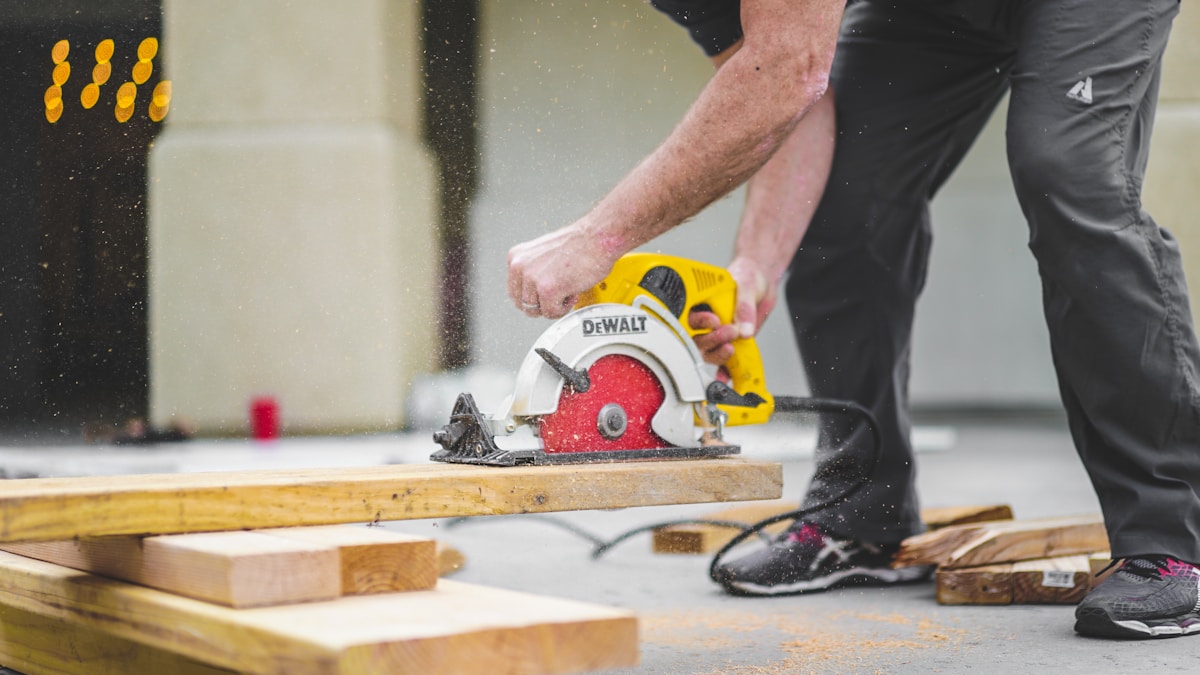
The internal structure is typically plywood — 3/4-inch birch plywood for the box, with solid wood face frames or applied moldings over the plywood substrate. This gives you a stable, light structure that’s easier to work with than solid wood framing. The visible faces get whatever treatment fits the design: raised panel doors, flat panel inserts, shiplap, board-and-batten, or simply profiled molding applied over flat panels.
Build the box oversize in the shop — you’ll trim it to fit at installation. The box needs to be perfectly square before you start adding the face frame or panels; any twist or rack will telegraph through to the finished surface. Test with a long straightedge across the diagonals and a level at the opening. Fix problems at this stage, not after the panels are glued on.
Corbels and Decorative Transition Elements
The element that separates a simple box from a finished range hood is the transition between the vertical face and the sloped or tapered bottom that opens toward the cooking surface. Simple designs use a 45-degree chamfer — fast to execute and clean-looking. More traditional designs use corbels at the lower corners supporting a horizontal shelf detail. The most elaborate approaches use a full ogee or cyma recta profile machined on a router table, which produces the kind of result that reads as built-in rather than site-built.
Whatever transition you choose, make the templates or jigs before starting production. A corbel profile cut on the scroll saw needs a pattern to be repeatable; an ogee profile on the router table needs a fence setup that produces the same profile on every piece.
Finishing Before Installation
Finish as much of the surround as possible before mounting it in the kitchen. Getting a consistent paint job or an even oil finish on assembled panels while they’re flat on sawhorses is far easier than working overhead after installation. Leave the cut edges and mating surfaces bare — finish film at glue joints and screw holes causes problems.
Touch up after installation with a small brush. The inevitable gaps between the surround and the ceiling or adjacent cabinets get caulked and painted after everything is mounted and plumb — that’s the sequence that produces a result that looks truly built-in.


Stay in the loop
Get the latest wildlife research and conservation news delivered to your inbox.