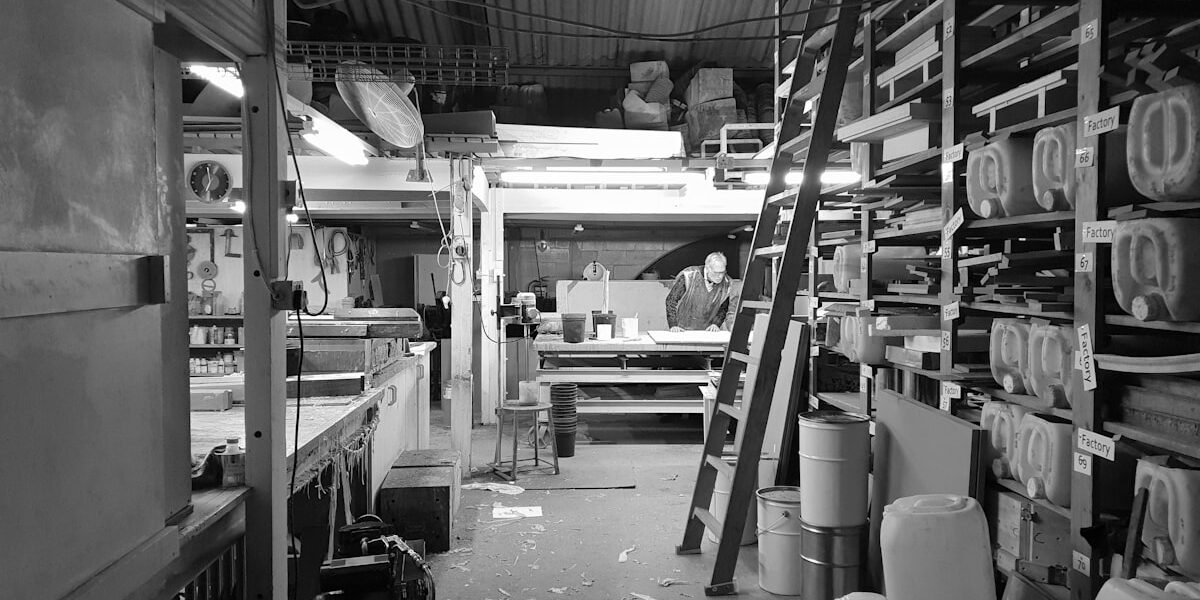
Rockler Woodworking and Hardware has gotten a particular kind of loyal following that you don’t see with general hardware stores — the kind where woodworkers will drive an hour out of their way to visit a location before a project, not because they can’t order online, but because the physical experience of the store adds something to the work. As someone who has shopped at multiple Rockler locations and ordered from their catalog for years, I want to give you a real picture of what Rockler offers that other sources don’t — and how to get the most out of both their stores and their online catalog.
What Rockler Does That Other Retailers Don’t
Rockler’s core strength is its curation. Unlike a big-box home center that carries the most broadly appealing version of every product category, Rockler stocks the specific items that woodworkers actually need for real projects — the right router bits in the right profiles, jigs that solve specific joinery problems, hardware in species-appropriate finishes, and shop accessories that reflect how woodworking actually works rather than how it looks in promotional photography.
The joinery jig selection is particularly strong. The Kreg pocket screw jigs (Rockler is a major Kreg retailer), their own dovetail jig, drawer slide jigs, and a range of box and drawer construction aids represent the kind of practical work-holding and joinery assistance that’s hard to find comprehensively elsewhere. These aren’t the cheapest options in each category, but they’re the ones that work as described without requiring significant modification or workarounds.
Hardware is the other area where Rockler fills a genuine gap. Finding wooden box handles, period-appropriate escutcheons, appropriate-sized brass hinges in the right offset, or mission-style hardware in actual wrought iron rather than stamped steel is difficult without a specialty source. Rockler’s hardware section, both in-store and online, has the specificity that furniture makers need when a project’s hardware needs to be right rather than merely functional.
The In-Store Experience
A Rockler retail location is organized as a working woodworker would think about a shop visit, not as a retail merchandiser would design for impulse purchases. Finishes are in one area; hardware in another; jigs and accessories in a third. The staff at most locations are woodworkers themselves — people who can answer questions about specific operations rather than directing you to the product description on the tag.
The demonstration areas at Rockler stores are particularly useful for evaluating router bits and jigs that are hard to assess from catalog descriptions alone. Seeing a raised panel bit cut a sample door rail, or watching a box joint jig in action, provides information that photographs don’t — what the cut quality actually looks like, how the setup feels in use, whether the capacity is adequate for your specific application.
The free workshops offered at many Rockler locations are a genuine resource, not a promotional wrapper. Classes on hand cut dovetails, router table setup, finishing techniques, and specific jig use are staffed by people with practical experience and attended by woodworkers at all skill levels. If you’re near a Rockler store, checking their workshop calendar and attending one relevant to your current project level is worth doing.
The Online Catalog and Ordering
Rockler’s online catalog extends significantly beyond what any single store stocks. The router bit selection in particular is comprehensive — profiles for architectural millwork, furniture-scale molding bits, sets organized by application (cabinet door sets, raised panel sets, box joint sets), and individual bits in specific diameters that you won’t find at a home center. For anyone who builds furniture and uses a router table regularly, working through the Rockler bit catalog once is a useful exercise in understanding what profiles are available and which ones you need to stock.
The finish and adhesive selection online is similarly complete. Specialty finishes that aren’t sold at retail — conversion varnish in spray cans, water-reducible lacquer, gel stains in specific colors, specialty shellacs — are available and shipped with appropriate hazmat packaging. Rockler’s finishing product descriptions generally include useful application notes rather than just the marketing copy.
Rockler Jigs Worth Knowing
Beyond the Kreg products, several Rockler house-brand jigs have earned genuine respect in the woodworking community. The Rockler dovetail jig is a credible alternative to the Leigh D4R for half-blind and through dovetails — it produces clean joints and has straightforward adjustment. The Rockler Universal Fence for router tables is a well-designed fence that fits most tabletops and has the featherboard track and split-fence adjustment that router table work requires.
The Rockler Clamp-It corner clamps — simple, inexpensive devices that hold square corners during case assembly — are among their most universally praised products. They’re the kind of simple, well-executed tool that solves a specific problem efficiently, which describes the best of what Rockler brings to the market.
Price and Value
Rockler is not the cheapest source for any category of product they carry. Amazon and other online retailers often undercut them on individual items. The value case for Rockler is the curation — the confidence that the product you’re ordering actually works for the application, that the hardware is the right quality for furniture use (rather than the lightest spec that photographs acceptably), and that when a product is unavoidably expensive, it’s expensive for material reasons rather than margin optimization.
For routine consumables — sandpaper, finishing supplies, common hardware — price shopping is reasonable. For specialty jigs, specific hardware, and products where quality matters for the result, Rockler’s curation value justifies the price premium.



Stay in the loop
Get the latest wildlife research and conservation news delivered to your inbox.