Wood Restoration Techniques for Home Projects

Wood restoration has gotten both easier and more confusing in the last decade — easier because better products are available, more confusing because the options have multiplied and the guidance for which approach to take in which situation is often vague or wrong. As someone who has restored old furniture, stripped and refinished outdoor structures, and dealt with the full range of wood damage from water staining to deep checking, I know what actually works. Today, I will share it all with you.

But what does wood restoration actually mean? In essence, it’s the process of bringing damaged, degraded, or neglected wood surfaces back to a stable, protected, and presentable condition — which might mean anything from a light cleaning and oil treatment to full stripping and refinishing depending on the extent of the damage. But it’s much more than surface cosmetics — a properly restored wood surface has addressed the underlying cause of the deterioration, not just covered it up.

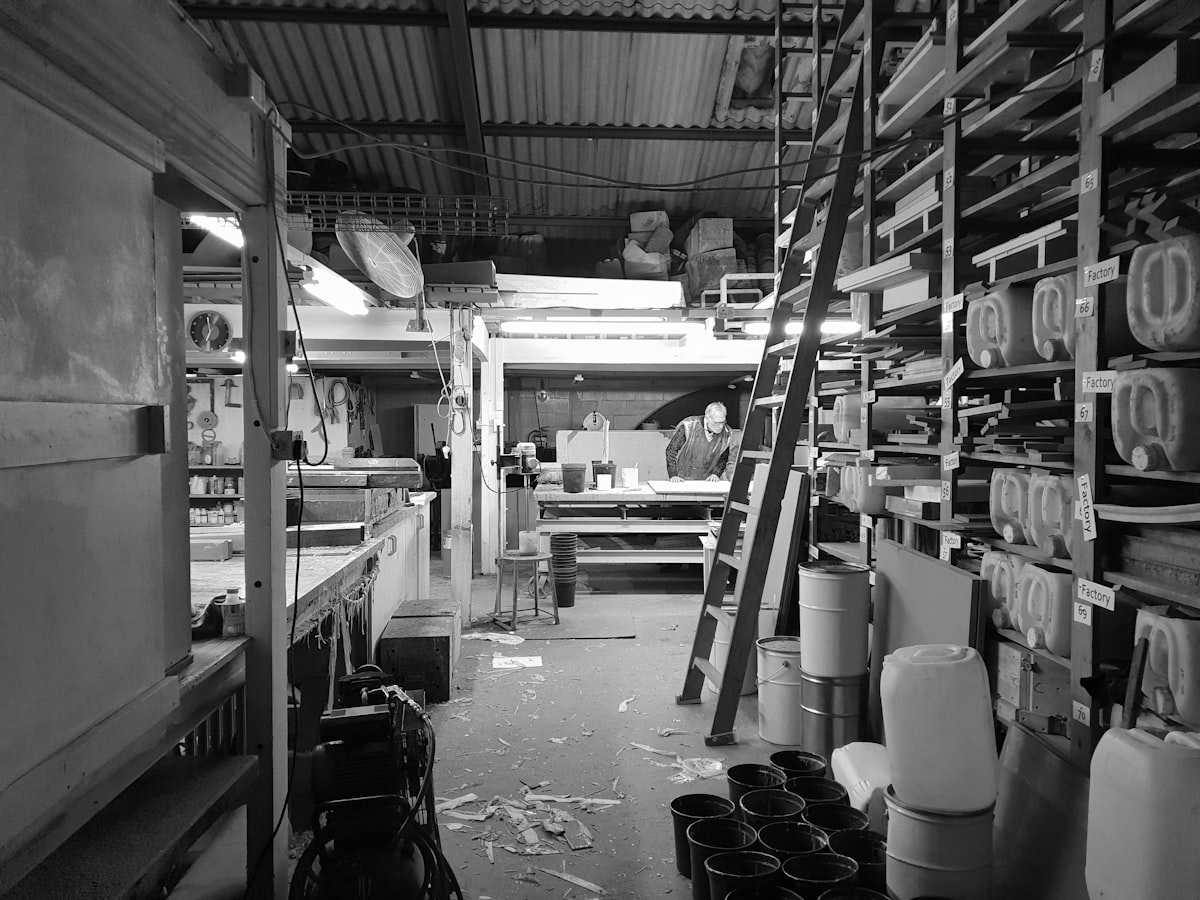
Woodworking workshop

Assessing the Damage First

Restoration approach depends entirely on what you’re actually dealing with. The diagnostic step most people skip — and pay for later — is understanding whether the problem is surface-level or structural.

Surface damage: finish deterioration, oxidation, light scratches, water rings, and dullness. These don’t penetrate into the wood itself; the wood is structurally sound and the issue is at the coating level or the surface fiber level. Most restoration work falls here.

Structural damage: deep checking, rot, sustained water intrusion, insect damage. These problems exist inside the wood and require more than surface treatment. Rotted wood that looks solid can be probed with a sharp tool — if it crumbles or compresses easily, the structure is compromised. Epoxy consolidants and fillers address minor structural issues; significant rot requires replacing the affected section.

Get the diagnosis right before buying any products. Applying a surface finish to rotted wood doesn’t address the rot — it just covers it until the covering fails, which is faster than it would be on sound wood.

Cleaning: The Step That Changes Everything

Most wood that looks terrible looks terrible because it’s dirty, not because the wood itself is damaged. Years of grime, wax buildup, oxidized oils, and accumulated surface deposits obscure what’s actually underneath. Proper cleaning often reveals wood that needs far less intervention than the pre-cleaning assessment suggested.

For furniture with an existing finish: mineral spirits removes wax and oil buildup without damaging most clear finishes. Apply with a cloth, work in sections, and wipe off. If the finish is oil-based, mineral spirits may lift some of the finish itself — do a test patch in an inconspicuous area first. For water-based finishes, a dilute solution of dish soap and water applied with a soft cloth cleans effectively without the solvent risk.

For outdoor wood (decks, fences, furniture) with oxidized gray surface: a deck brightener — oxalic acid based — applied with a brush, left for 15-20 minutes, and rinsed off removes the gray oxidation and reveals the original wood color. This step alone transforms weathered wood in a way that no amount of oil or stain can without it.

Finish Identification Before Refinishing

If restoration requires refinishing rather than just cleaning, identifying the existing finish prevents incompatibility problems. Different finishes don’t play nicely with each other — oil-based finish over a water-based existing coat can cause adhesion failure; lacquer over wax causes persistent fisheye that no amount of sanding removes.

A simple test: apply a drop of denatured alcohol to an inconspicuous spot. If the finish softens or gets sticky, it’s shellac. If not, apply a drop of lacquer thinner — if that softens the finish, it’s lacquer. If neither solvent affects it, it’s a cured polyurethane or water-based finish. Knowing what’s there lets you choose a compatible approach: either strip completely to bare wood (the safest approach for unknown finishes), or scuff-sand and apply a compatible topcoat.

Oil Treatments for Penetrating Finishes

Oiled wood — teak furniture, butcher block, outdoor pieces finished with linseed or tung oil — doesn’t need stripping for routine restoration. The oil penetrates rather than forming a surface film, so there’s no film to strip. Restoration means cleaning thoroughly, allowing the wood to dry completely, and applying fresh oil in one or two coats.

Use the same oil type that was originally applied where possible. Mixing oil types (tung over linseed, for example) is generally fine, but mixing oil-based and film-forming finishes on top of each other creates adhesion problems. If you don’t know what was originally applied, stick with a food-safe penetrating oil and avoid products with varnish or solvent additives if the surface contacts food.

Stripped and Refinished: When It’s Necessary

Strip completely when: the existing finish is crazed or alligatored (separated into cracked sections), the finish is peeling or lifting, or when multiple incompatible finish layers have built up over years of touch-up work. Trying to work over any of these conditions produces results that look worse than before and fail faster.

Chemical strippers work fastest on oil-based finishes and slower on cured water-based or catalyzed coatings. Apply liberally, keep it wet (cover with plastic sheeting), and allow the full recommended dwell time — typically 20-30 minutes minimum. Use a plastic scraper to remove the lifted finish; metal scrapers scratch the wood surface underneath. Re-apply if needed for thick buildup rather than trying to remove it in one pass.

After stripping, sand through progressive grits (80, 120, 180) to level the surface and remove any residual finish or stain. The finish you apply last should go on bare, clean wood — not on top of old stripper residue or incompatible layers.

David Chen

David Chen

Author & Expert

David Chen is a professional woodworker and furniture maker with over 15 years of experience in fine joinery and custom cabinetry. He trained under master craftsmen in traditional Japanese and European woodworking techniques and operates a small workshop in the Pacific Northwest. David holds certifications from the Furniture Society and regularly teaches woodworking classes at local community colleges. His work has been featured in Fine Woodworking Magazine and Popular Woodworking.

351 Articles
View All Posts

Stay in the loop

Get the latest wildlife research and conservation news delivered to your inbox.