
How to Carve Letters into Wood
Letter carving has gotten more mystified than it needs to be, with all the “master carver” talk flying around. As someone who has spent years carving letters into wood — signs, gifts, tool handles, cabinet doors — I learned everything there is to know about making this work at any skill level. Today, I will share it all with you.
But what is letter carving, really? In essence, it’s controlled wood removal along a predetermined path. But it’s much more than that — it’s about reading the grain, managing your cuts, and recovering gracefully when things go sideways. And they will go sideways.
Materials and Tools Needed
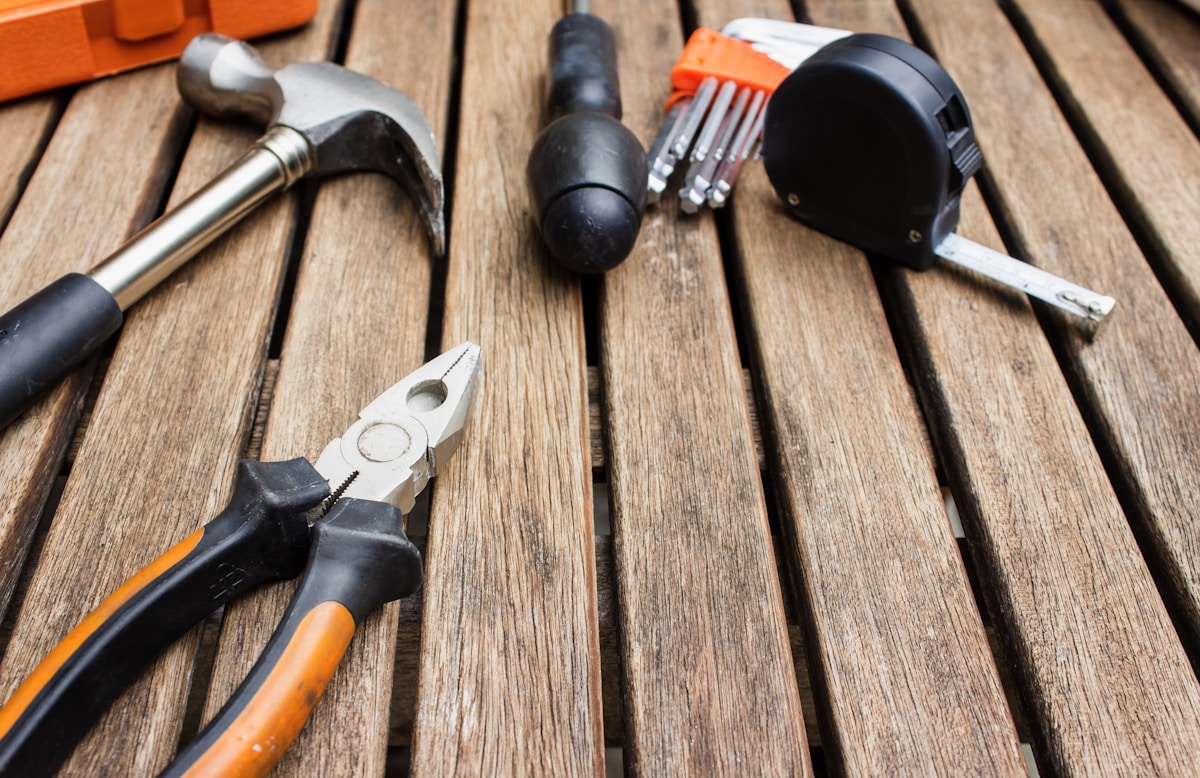
- Wood: Start with a piece of softwood like pine or basswood, which is easier to carve.
- Pencil and Paper: For designing and transferring your lettering to the wood.
- Carbon Paper: Useful for transferring your design onto the wood surface.
- Carving Tools: A basic set of carving tools, including chisels, gouges, and knives.
- Clamps: To hold the piece of wood securely in place while you work.
- Sanding Paper: For smoothing the wood before and after carving.
I’m apparently someone who spent three sessions trying to carve directly onto rough-sanded pine before realizing the surface prep matters as much as the carving technique. Smooth the face first. Always.
Step-by-Step Process
Step 1: Choose Your Design
Begin by designing the letters you wish to carve. Simpler, block fonts are easier for beginners, while more intricate scripts can be attempted as you gain confidence. Print out your design or draw it on paper if you’re confident in your freehand skills.
Step 2: Transfer Design to Wood
Place a piece of carbon paper onto the wood. Then, position your paper design on top of it. Secure both papers with tape to prevent shifting. Trace over your letters with a sharp pencil. The carbon paper will transfer your design accurately onto the wood.
Probably should have led with this section, honestly — getting the transfer wrong wastes all your prep work. Press firmly but not so hard you groove the wood through the paper.
Step 3: Prepare Your Wood
Before carving, ensure your wood surface is smooth. Go over the area with sanding paper, starting with a coarser grit and moving to a finer one. This step helps to remove any imperfections and makes the carving process easier.
Step 4: Select the Right Tool
Different tools serve various purposes. A small V-gouge offers precision for detailed outlines, while a larger U-gouge removes more wood for broader strokes. A skew chisel, at an angle, can work cleanly along the grain for straight lines.
Basic Carving Techniques
That’s what makes letter carving endearing to us woodworkers — each letter is its own small puzzle. The grain direction changes mid-stroke, the corner wants to split, the tool prefers one direction over another. You negotiate with the wood constantly.
Outlining the Design: Start by carving the outline of your letters. A V-gouge is ideal for this task. Hold the tool angled slightly, with gentle but firm pressure, trace the pencil lines. Carve shallow initially to prevent mistakes.
Carving the Interior: Use broader gouges and chisels to remove wood from the interior of the letters. Take small amounts of wood with each pass to maintain control. For deeper carvings, multiple passes might be necessary.
Refining the Details: Once the bulk is removed, go back with finer tools to clean up and define the edges. A good finish requires meticulous attention to the finer aspects of each letter’s form.
Frustrated by tearout in the corners of curved letters, I started relieving the waste wood in small wedge cuts before attempting the full outline pass. Takes an extra few minutes per letter but the corners come out clean instead of splitting out.
Safety Tips
- Sharp Tools: Ensure your tools are sharp. Dull tools are more likely to slip and cause injury.
- Secure the Wood: Always use clamps to hold the wood securely in place.
- Work Slowly: Take your time. Rushing increases the risk of mistakes and accidents.
- Protective Gear: Wear safety glasses to protect your eyes from wood chips.
Smoothing and Finishing
Sanding: After carving, smooth the letters with fine-grit sandpaper. Sanding refines the surface and prepares it for finishing.
Applying Finish: Choose a finish that suits your project. Oils, stains, and waxes highlight the wood grain while providing protection. Apply with a cloth or brush and allow it to dry thoroughly.
Tips for Beginners
- Start with simple designs and progress to more complex ones.
- Practice on scrap wood before tackling your main project.
- Keep your tools organized and within easy reach.
- Join a local carving group or online community for support and inspiration.
Carving letters into wood is an art that requires practice and patience. Whether as a hobby or a stepping stone to more complex woodworking projects, it offers a satisfying creative outlet. The learning curve is real but it’s not steep — and every project comes out a little better than the last one.




Stay in the loop
Get the latest wildlife research and conservation news delivered to your inbox.