
Understanding Raised Panels in Design and Construction
Raised panels have gotten complicated with all the new materials and techniques flying around. As someone who’s been building cabinet doors and furniture with raised panels for over a decade, I learned everything there is to know about this classic woodworking technique. Today, I will share it all with you.
The History of Raised Panels
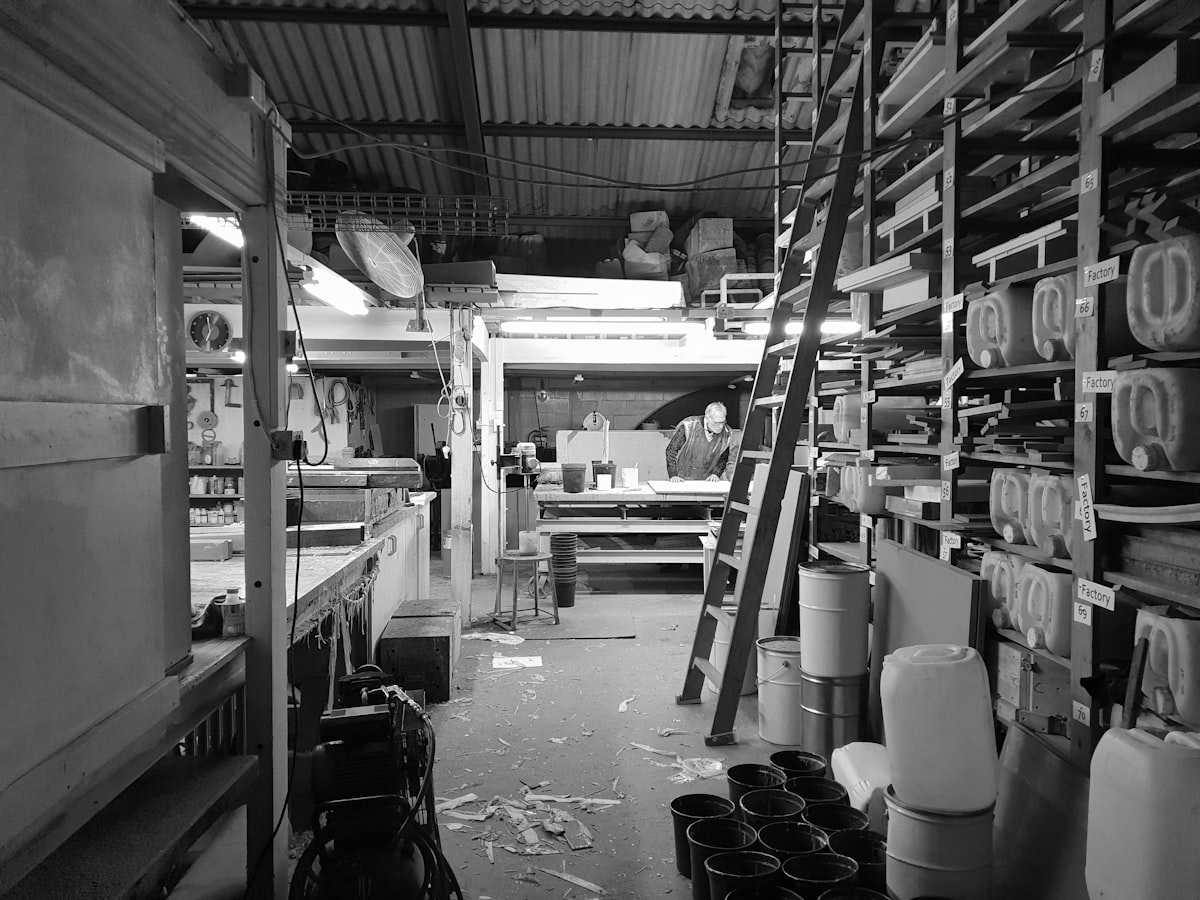
Raised panels go way back — we’re talking early 1600s in Europe. They made their way to colonial America, where craftsmen used hand planes to shape that distinctive raised center. No router tables, no CNC machines, just skill and patience. The technique served double duty: it looked great and added real structural strength to doors and cabinets. When you think about the tools they had to work with, the precision they achieved is honestly impressive.
Materials Used in Raised Panel Construction
Wood has always been the go-to for raised panels, and for good reason. Hardwoods like oak, maple, and cherry can handle the detailed shaping without splintering or chipping, and the grain patterns add natural beauty you can’t fake. I’ve worked with all three extensively, and each one brings something different to the table. Oak’s got that bold grain, maple’s smooth and consistent, cherry deepens in color over time.
These days, MDF has carved out a niche too. It’s cheaper than hardwood and gives you a perfectly smooth surface for painted finishes. If you’re not staining — if everything’s getting a coat of white or gray paint anyway — MDF makes a lot of sense. Just don’t expect it to hold up like solid wood if it gets wet.
The Construction Process
Building a raised panel isn’t terribly difficult once you understand the steps, but it does require precision. You start by cutting the central panel to size, then you make relief cuts around the perimeter to create that raised profile. A router table with a raised panel bit is the modern way to go, though you can still do it with a table saw if you’re careful. The panel then drops into a frame made of stiles (the vertical pieces) and rails (the horizontal ones). The fit needs to be snug but not too tight — you’ve got to leave room for the wood to expand and contract with humidity changes. That’s a mistake I see beginners make all the time.
Applications of Raised Panels
Probably should have led with this section, honestly. Raised panels show up in a lot more places than people realize.
- Cabinetry: Kitchen and bathroom cabinets are the most common application. Raised panel doors give that classic, upscale look that never goes out of style. I’ve refinished cabinets from the 1970s that still looked elegant because of the raised panel design.
- Doors: Interior and entry doors with raised panels carry a visual weight that flat-panel doors just can’t match. There’s a reason front doors in older homes almost always feature this style.
- Furniture: Dressers, hutches, desks, headboards — raised panels add texture and depth to any piece. They turn something ordinary into something that looks custom-built.
- Wall Paneling: Wainscoting with raised panels is a hallmark of historical homes. It breaks up a large wall, adds visual interest, and protects the lower portion from scuffs and dings.
Benefits of Raised Panels
That’s what makes raised panels endearing to us woodworkers — they do so much at once. The aesthetic appeal is obvious. A raised panel turns a flat surface into something with real dimension and character. But there’s more going on beneath the surface. The frame-and-panel construction adds structural rigidity, which was a big deal historically when buildings faced extreme temperature and humidity swings. The panel can move within the frame without cracking the whole assembly. And here’s one most people don’t think about: raised panels actually help with sound. Those extra layers of material absorb noise, which is why you’ll often find them in libraries and formal rooms.
Challenges in Working with Raised Panels
I won’t sugarcoat it — raised panels aren’t a beginner project. You need precision in your cutting and fitting, and the specialized router bits or shaper cutters add to your upfront costs. If the panel doesn’t sit right in the frame, you’ll end up with visible gaps or a structurally weak joint. I’ve seen that happen more times than I’d like to admit, including on a few of my early attempts.
Natural wood brings its own headaches too. Humidity changes cause expansion and contraction, and if you don’t account for that during construction, you’ll end up with warped or cracked panels down the road. It’s the kind of thing that might not show up for months, which makes it especially frustrating.
Modern Variations
The craft has come a long way from hand planes and chisels. CNC machines can now carve incredibly detailed raised panel profiles that would have taken a master craftsman days to do by hand. The precision is unreal, and it’s opened up design possibilities that didn’t exist before.
There’s also a growing trend of mixing materials. I’ve seen some beautiful work that combines a traditional wooden frame with a metal or glass center panel. It sounds like it shouldn’t work, but the contrast between the warm wood frame and a sleek metal insert can be striking. These hybrid designs keep the architectural DNA of the raised panel while pushing it into modern territory.
Raised Panels in Contemporary Design
A lot of people assume raised panels are only for traditional homes, but that’s not true at all. Pair them with a sleek finish and a minimalist frame, and they fit right into contemporary spaces. The trick is restraint — you don’t want ornate profiles in a modern room, but a clean, simple raised panel adds texture without overwhelming the design. I’ve done several projects for clients with very modern homes who wanted just a touch of traditional craftsmanship, and raised panels delivered exactly that.
They’re showing up in commercial spaces too. Boardrooms, law offices, hotel lobbies — raised panels communicate quality and permanence in a way that flat drywall just doesn’t.
Environmental Considerations
Sustainability matters, and the raised panel world is adapting. More woodworkers and manufacturers are sourcing from responsibly managed forests with FSC certification. MDF catches some flak for the adhesives used in production, but it’s typically made from wood byproducts that would otherwise go to waste, so there’s an argument to be made either way.
Reclaimed wood is another avenue that’s gaining traction. Salvaged panels from old homes carry a patina and character you can’t replicate with new materials. Plus, you’re keeping perfectly good wood out of a landfill. I’ve used reclaimed oak from a demolished barn for a client’s kitchen, and the result was stunning.
Selecting the Right Raised Panel for Your Project
The right choice depends on a few things. Material is the big one — solid wood for stained or natural finishes, MDF for painted. Think about the style too. Traditional raised panels have more ornate profiles with curves and detail. Contemporary versions are simpler, with cleaner lines and shallower relief. And budget always plays a role. Custom handcrafted panels cost significantly more than factory-produced ones, but the quality difference is usually visible. Decide what level of craftsmanship the project warrants and plan accordingly.
Installation and Maintenance
Good installation makes or breaks the final result. Measure twice, cut once — that old cliche exists for a reason. For cabinet doors, even a small misalignment is visible every time you open the kitchen. I’d recommend professional installation if you’re not confident in your skills, especially for entry doors and built-in cabinetry where the stakes are high.
Once installed, maintenance depends on your material. Wooden panels benefit from periodic refinishing and should be checked for warping, especially in rooms with fluctuating humidity. Painted MDF needs touch-ups now and then to cover chips and wear. Either way, regular cleaning and keeping moisture in check will keep your raised panels looking sharp for years. A little attention goes a long way with these.
Recommended Woodworking Tools
HURRICANE 4-Piece Wood Chisel Set – $13.99
CR-V steel beveled edge blades for precision carving.
GREBSTK 4-Piece Wood Chisel Set – $13.98
Sharp bevel edge bench chisels for woodworking.
As an Amazon Associate, we earn from qualifying purchases.


Stay in the loop
Get the latest wildlife research and conservation news delivered to your inbox.