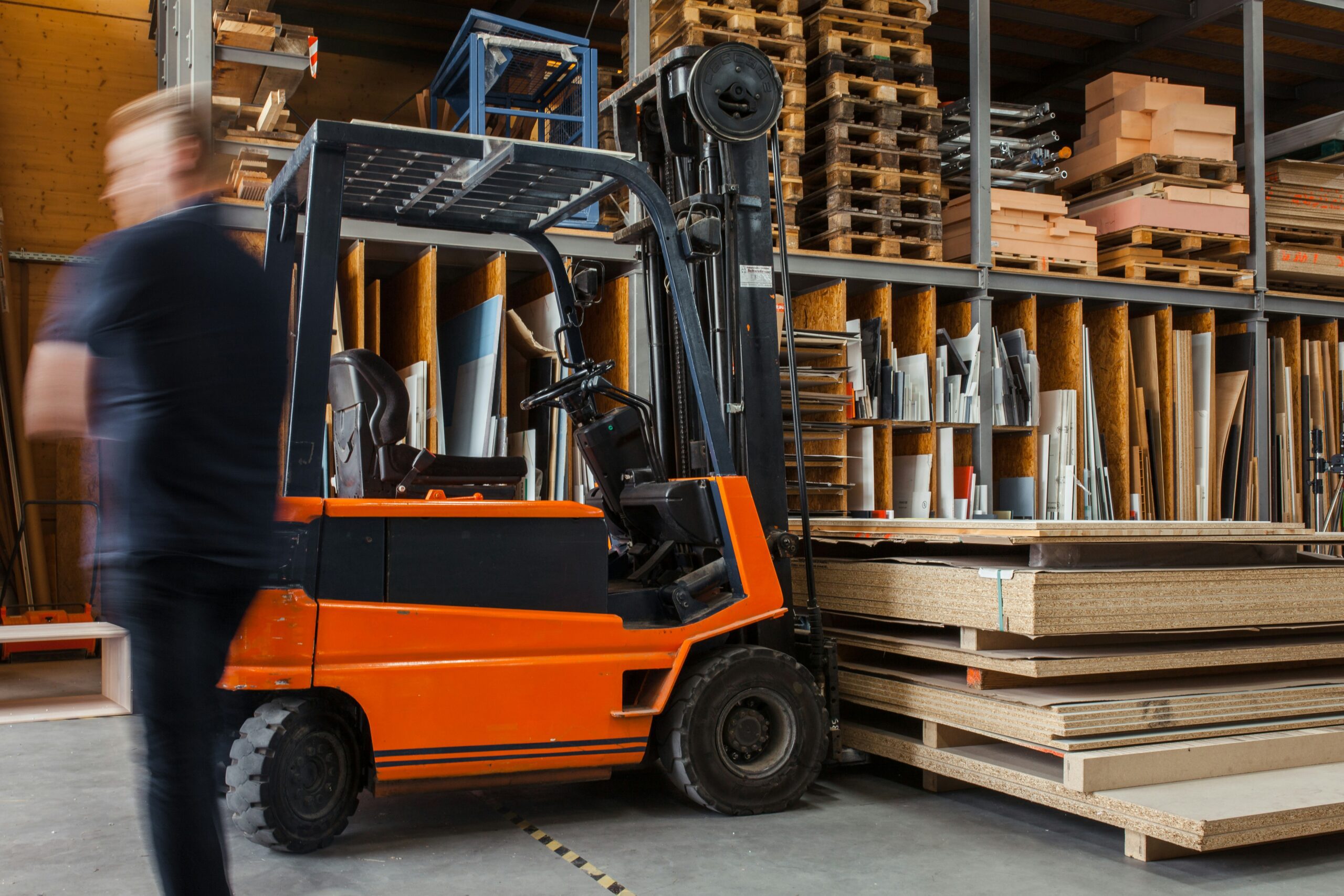
Protecting Your Woodworking Business from Catastrophic Risk
A table saw kickback sends a piece of maple through a customer’s window during an open shop demonstration. A bookshelf you installed falls and injures a child. A fire starts in your finish room and spreads to your neighbor’s property. These aren’t hypothetical nightmares—they’re risks every woodworker faces.
Adequate insurance isn’t optional. It’s the foundation that lets you operate your business without personal financial ruin lurking in every project.
Why $2 Million in Coverage
Many small woodworking businesses start with $1 million in general liability coverage—the minimum required by most commercial landlords and the default offering from many insurance providers. But $1 million doesn’t go as far as it sounds.
Medical costs escalate quickly. A serious injury requiring surgery, rehabilitation, and ongoing care can easily exceed $500,000. If your product was involved, you’re potentially on the hook.
Property damage compounds. That fire in your finish room? If it spreads to neighboring units, you’re liable for their losses too—inventory, equipment, business interruption.
Legal defense is expensive. Even if you’re ultimately not liable, defending yourself costs $50,000-$150,000 in legal fees. Those costs come from your policy limits.
Some clients require it. Commercial projects, government contracts, and working with general contractors often require $2 million or more in coverage as a condition of bidding.
Breaking Down the Coverage You Need
General Liability Insurance
This is your primary protection against third-party claims:
- Bodily injury: Someone gets hurt because of your product or operations
- Property damage: Your work damages someone else’s property
- Personal injury: Libel, slander, false arrest claims
- Products/completed operations: Claims arising after work is delivered
Recommended limit: $2 million per occurrence, $4 million aggregate
Products Liability
Often included in general liability, but verify coverage for:
- Furniture that collapses and causes injury
- Finishes that cause allergic reactions
- Hardware failures (hinges, slides, etc.)
- Recalled materials you unknowingly used
Professional Liability (Errors & Omissions)
If you provide design services or consulting, this covers claims that your professional advice caused financial harm:
- Design that doesn’t meet client expectations
- Specifications that lead to construction problems
- Missed deadlines causing client losses
Property Insurance
Protects your equipment, materials, and workspace:
- Tools and machinery (replacement cost, not depreciated value)
- Lumber and material inventory
- Works in progress
- Business personal property
Ensure coverage for the specific perils your shop faces—fire, theft, water damage, equipment breakdown.
Inland Marine (Floater) Insurance
Covers property when it’s away from your shop:
- Tools at a customer’s location for installation
- Finished pieces in transit
- Equipment at trade shows
Workers’ Compensation
If you have any employees—even part-time helpers—workers’ comp is legally required in most states. It covers:
- Medical expenses for work-related injuries
- Lost wages during recovery
- Disability benefits for permanent injuries
- Death benefits for fatal accidents
Rates for woodworking are relatively high (typically $5-15 per $100 of payroll) because the work is hazardous. This is not negotiable—operate without it and you’re personally liable for everything, plus subject to significant fines.
Commercial Auto Insurance
If you use any vehicle for business purposes—even your personal truck for deliveries—your personal auto policy may not cover accidents during commercial use. Business auto coverage includes:
- Liability for accidents during business use
- Cargo coverage for materials and finished pieces
- Coverage for hired or borrowed vehicles
What a Proper Policy Costs
For a small custom woodworking shop with $150,000-$300,000 in annual revenue:
- General liability ($2M): $1,500-$3,500/year
- Property insurance: $500-$2,000/year depending on inventory and equipment value
- Inland marine: $300-$800/year
- Business auto: $1,200-$3,000/year
- Workers’ comp (one employee): $2,000-$6,000/year
Total: $5,500-$15,000 annually
As a percentage of revenue, this typically runs 3-6%. Factor it into your overhead when pricing work.
Finding the Right Insurance Partner
Not all insurance agents understand woodworking businesses. Look for:
Experience with craft businesses: An agent who insures woodworkers, metalworkers, or other artisan trades understands the unique risks.
Specialty carriers: Companies like Hartford, Philadelphia Insurance, or specialty craft insurers often offer better coverage and pricing than generalist carriers.
Proper classification: Woodworking businesses can be classified multiple ways. Wrong classification means wrong coverage. Ensure your policy covers custom furniture manufacturing, installation work if you do it, and any retail operations.
What Insurance Companies Want to Know
Expect questions about:
- Types of products you make
- Annual sales volume
- Whether you do installation work
- Shop square footage and construction type
- Finishing processes and materials used
- Whether you allow customers in the shop
- Number of employees
- Safety equipment and practices
- Claims history
Answer accurately. Misrepresentation can void coverage when you need it most.
Reducing Your Premiums
Legitimate ways to lower costs:
- Higher deductibles: Accepting a $2,500 deductible instead of $500 can reduce premiums 15-25%
- Safety programs: Documented safety training and procedures demonstrate lower risk
- Claims-free history: Every year without a claim builds your record and lowers rates
- Bundle policies: Combining general liability, property, and auto with one carrier often earns discounts
- Professional associations: Groups like the Fine Woodworking Guild or local woodworking clubs sometimes offer group rates
Documentation That Protects You
Good records support insurance claims and can help defend against liability:
- Contracts: Clear written agreements for every project
- Photos: Document every piece at completion
- Safety records: Maintain logs of equipment maintenance and safety training
- Delivery documentation: Signed receipts showing condition at delivery
- Material sourcing: Keep records of where wood and supplies came from
When Something Goes Wrong
If an incident occurs:
- Document immediately: Photograph the situation, write down what happened, get contact information for any witnesses
- Report promptly: Notify your insurance company as soon as possible, even if you’re not sure there will be a claim
- Don’t admit fault: Cooperate fully but let the insurance company handle liability questions
- Preserve evidence: Don’t repair, destroy, or modify anything that might be relevant
- Follow up: Stay in contact with your adjuster and provide requested information quickly
Annual Review Checklist
Each year before renewal:
- Update inventory and equipment values
- Review coverage limits against actual exposure
- Report any changes in operations (new installation services, retail sales, employees)
- Check that all vehicles are properly listed
- Confirm contractor/subcontractor coverage requirements are being met
- Shop competitive quotes every 2-3 years
The Bottom Line
$2 million in liability coverage isn’t paranoid—it’s prudent. The premium cost is modest compared to the protection provided. One significant claim without adequate coverage could cost you your shop, your home, and your livelihood.
Call an insurance agent who understands craft businesses. Get proper coverage. Sleep better knowing that when something goes wrong, you have a partner to help make it right.

Stay in the loop
Get the latest wildlife research and conservation news delivered to your inbox.