
Solar Kiln Plans
Drying your own lumber has started getting harder to follow with all the expensive commercial kiln options and conflicting advice flying around. As someone who built a solar kiln from scratch using salvaged materials, I sat down and learned what works and what wastes your time. Today, I will share it all with you.
Materials Required
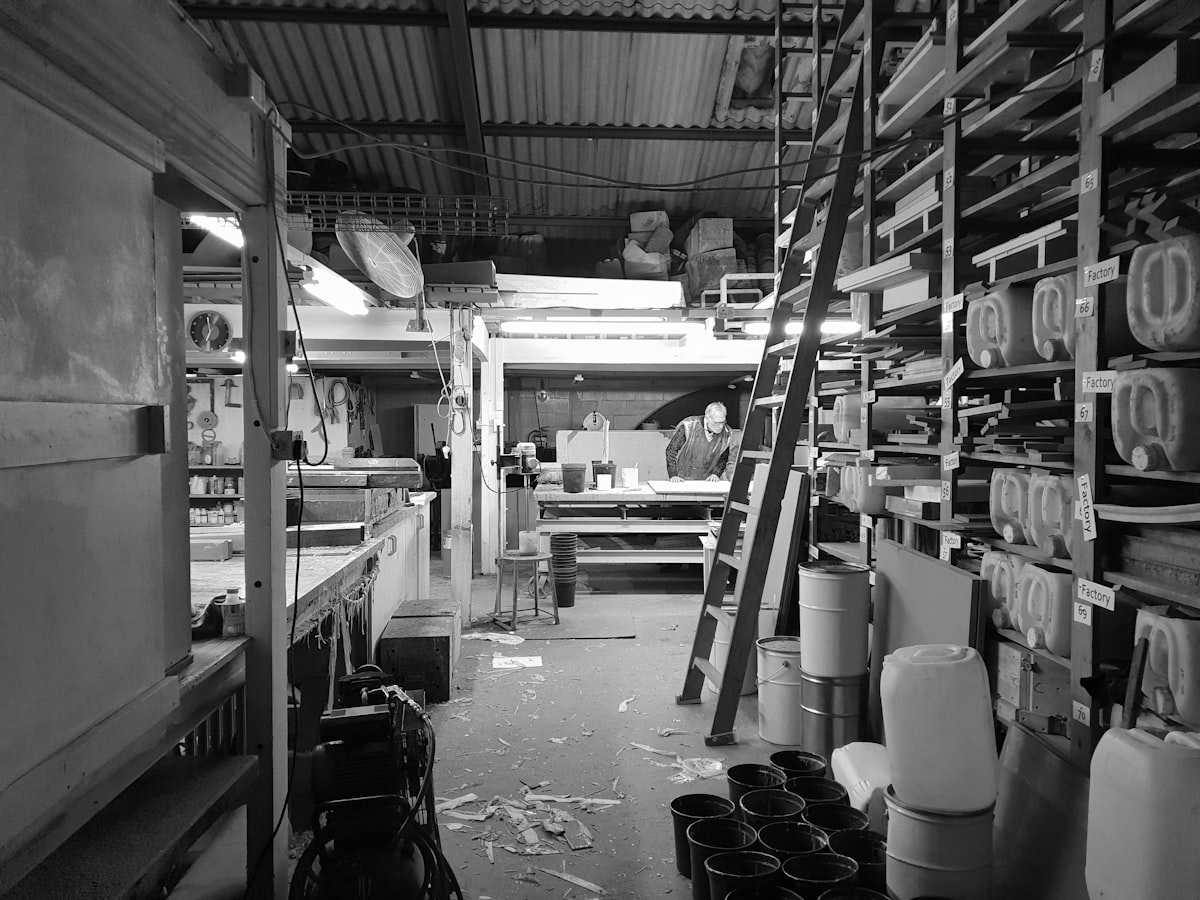
- Wood for the frame
- Black plastic sheeting
- Clear UV-resistant polyethylene sheeting
- Thermometer and hygrometer
- Ventilation fans (optional)
- Screws and nails
- Insulation (optional)
Gather everything before you start. Interrupting the build to track down materials is how small projects drag on for weeks. Quality materials here — particularly the UV-resistant poly sheeting — determine how long the kiln holds up before needing repairs.
Frame Construction
The frame carries the load of stacked lumber and the poly sheeting, which catches wind like a sail in a storm. Build it solid. Pressure-treated lumber or naturally rot-resistant species like cedar or redwood are the right choices for the frame — anything else degrades fast in outdoor conditions. Start with the base. A 2×4 perimeter with diagonal cross braces handles the weight well. Level it carefully; a tilted kiln stacks unevenly and causes warping in the lumber.
Walls go up next. The front and back walls are taller than the sidewalls — this creates the roof pitch. More pitch means more solar angle coverage through the day. Aim for a slope that faces solar south at roughly 15 to 30 degrees, adjusted for your latitude.
Roof Assembly
The roof is where the kiln’s efficiency lives or dies. Horizontal braces span the shorter walls to carry the poly. Cover the entire roof frame with clear UV-resistant polyethylene — not standard poly, which degrades in sunlight within months. The clear material admits maximum solar radiation. Stretch it tight and fasten it well; loose sheeting flaps in wind and fails at the fasteners.
Inside the roof, staple black poly sheeting across the underside. Black absorbs radiant heat instead of reflecting it — that is what creates the greenhouse temperature spike inside the kiln. No wrinkles, no air gaps. Tight installation is what makes this detail work.
Ventilation System
Ventilation is the variable most first-time builders underestimate. Heat alone does not dry lumber — you need moisture-laden air moving out of the kiln and drier air moving in. Install adjustable vents at both high and low points on the kiln walls. High vents exhaust humid air; low vents admit fresh air from outside. Position them on opposite walls for cross-ventilation.
Small solar-powered fans mounted on the south-facing wall run whenever the sun is out — which is precisely when the kiln is working hardest. They maintain airflow on calm days when natural convection is not enough. A hygrometer inside the kiln tells you whether the ventilation is keeping up with the moisture load.
Loading the Kiln
First, you should sort your lumber by thickness before loading — at least if you want even drying results. Mixed thicknesses dry at different rates and the thicker pieces hold moisture that affects the thinner ones around them. Sticker the lumber with small wood spacers between every layer. Quarter-inch stickers work; thinner slows air movement, thicker wastes vertical space.
Do not overfill. I learned this the hard way the first season — packed the kiln to capacity and ended up with uneven drying and a few warped boards in the interior of the stack. Leave room for air to circulate. Elevate the bottom layer off the floor with pallets or blocks.
Monitoring the Drying Process
Check the temperature and relative humidity inside the kiln every day, at minimum. Record it. A drying log sounds tedious until you need to figure out why a batch of oak took twice as long as the previous one — the log tells you exactly what the conditions were. Target internal temperatures of 120 to 160 degrees Fahrenheit on a good sun day. Humidity inside should be dropping steadily as the drying progresses.
Hardwoods take longer than softwoods. Thick stock takes longer than thin. There is no shortcut. Overdrying causes checking and cracking — also worth noting is that pulling lumber slightly before the target moisture content instead of running it to bone dry results in fewer surface defects overall.
Insulation for Efficiency
Foam board insulation on the interior walls makes a measurable difference in cooler climates. It keeps overnight heat loss down and the kiln reaches working temperature faster in the morning. This is optional in warm climates where ambient temperatures stay high, but worth the modest cost in northern regions where spring and fall sun days are cool.
Seal every gap. Caulk the frame joints, weather-strip the door, foam any penetrations around the vent hardware. A leaky kiln bleeds heat and takes longer to work. Fifteen minutes with a tube of caulk pays back in faster drying cycles.
Safety and Maintenance
Check the poly sheeting every season. UV degradation eventually makes it brittle regardless of the UV-resistant rating — plan for replacement every few years. Keep the vents clear of debris; blocked vents kill airflow and dramatically reduce drying efficiency. Handle green lumber carefully — a full stack is significantly heavier than dried wood of the same species and dimensions.
If you add fans with electrical wiring, weatherproof every connection. Solar-powered fans avoid the wiring issue entirely and align with the kiln’s low-input design philosophy. Either approach works. What matters is that the fans actually run when the sun is out and the kiln is at peak operating temperature.




Stay in the loop
Get the latest the home woodshop updates delivered to your inbox.